



Växjö Municipality sought a faster, more cost-effective method to monitor its street network. By shifting from traditional, manual external consultant reports to Pluto's automated AI platform, the municipality has completely transformed how it visualizes, prioritizes, and manages its road assets. Key results at a glance:
- 70% Reduction in data collection and analysis costs.
- 2 Weeks to analyze the municipality's entire road network.
- Positive ROI achieved within the very first year of implementation.
- Proactive Prevention: Rapid identification and handling of critical road safety hazards through automated filtering.

“Our data collection with Pluto exceeds our expectations, and we are now able to work actively with the material in our operations. We strive to have good quality in our street network.”
The Challenge - Slow Data and High Costs
Historically, Växjö Municipality relied on traditional external engineering consultants to deliver comprehensive road condition reports. While these reports provided necessary data, the process was inherently slow highly manual, and expensive. By the time the data was collected, processed, and delivered, the ground reality on the streets had often already shifted. This left maintenance teams working with outdated insights while a significant portion of their annual budget was consumed by data procurement alone.
In summer 2023, Växjö deployed Pluto’s AI technology to digitize its infrastructure inspections. Instead of waiting months for external audits, the municipality was able to collect data and analyze its entire road network in just two weeks.
Pluto’s system automatically processed the imagery and mapped specific defect registrations. This allowed the Department of Operation and Administration to instantly filter for the most urgent and relevant damages.
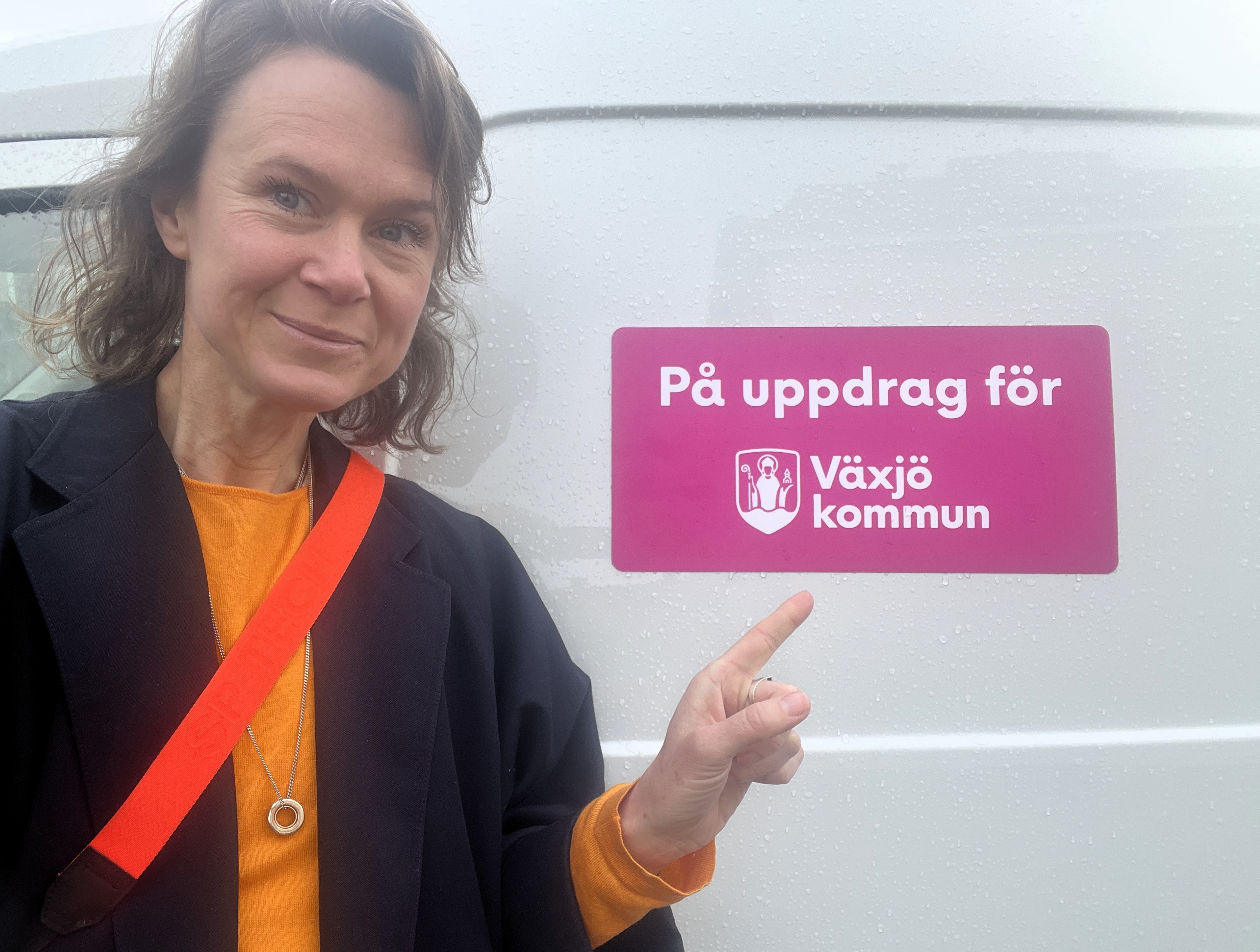
Building on this digital foundation, Växjö collaborated with Teres A. in the spring/summer of 2026 to conduct a full, updated road network inspection. As an independent specialist invited for the task, Teres quickly learned to use PlutoRecord data collection setup to map the municipality's current infrastructure.
During the rollout, Marcus Åberg - Växjö’s primary superuser and experienced municipal expert shared how the data directly shapes local infrastructure decisions.
4 Tips for best data collection
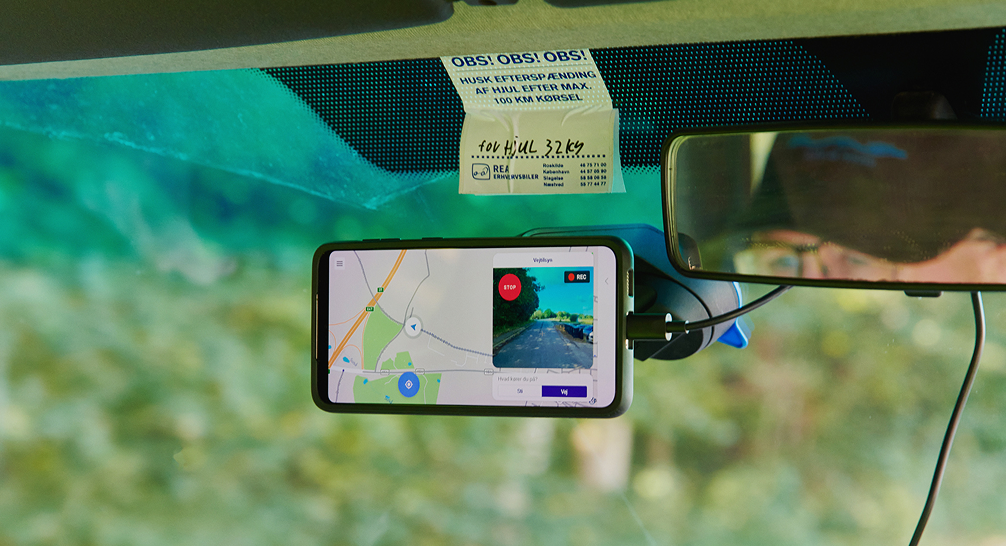
To help other municipalities achieve optimal data collection, Marcus shares four best practices:
- Select the right vehicle: Choose a vehicle with as vertical a windshield as possible. This minimizes dashboard reflections in the camera lens.
- Monitor weather conditions: Avoid driving in rainy weather, as water droplets and road glare interfere with optimal automated defect detection.
- Glare from the sun: Avoid driving directly backlit or into intense direct sunlight to prevent lens flare and image overexposure.
- Clean windshield: Keep a glass cleaning cloth or cleaning material on hand. Environmental factors like pollen, dirt or bird droppings can cause the camera to autofocus incorrectly on the glass rather than the road surface.
The Operational Impact
By moving away from static consultant reports, Växjö has unlocked several advantages:
- Financial return: The transition resulted in an immediate reduction in data costs, ensuring the project paid for itself within year one.
- Targeted operations: Instead of searching for defects manually, teams use PlutoMap to filter specifically for severe road hazards, fixing critical issues before they escalate.
- Proactive planning: With a constantly updated overview of the road network, the municipality has successfully shifted from reactive patching to long-term, predictive, preventive maintenance.

