
Proactive maintenance means acting before a defect becomes an emergency. Pluto brings the right warning to the right person early enough to review the evidence, choose the response, and coordinate the local factors only your team understands.
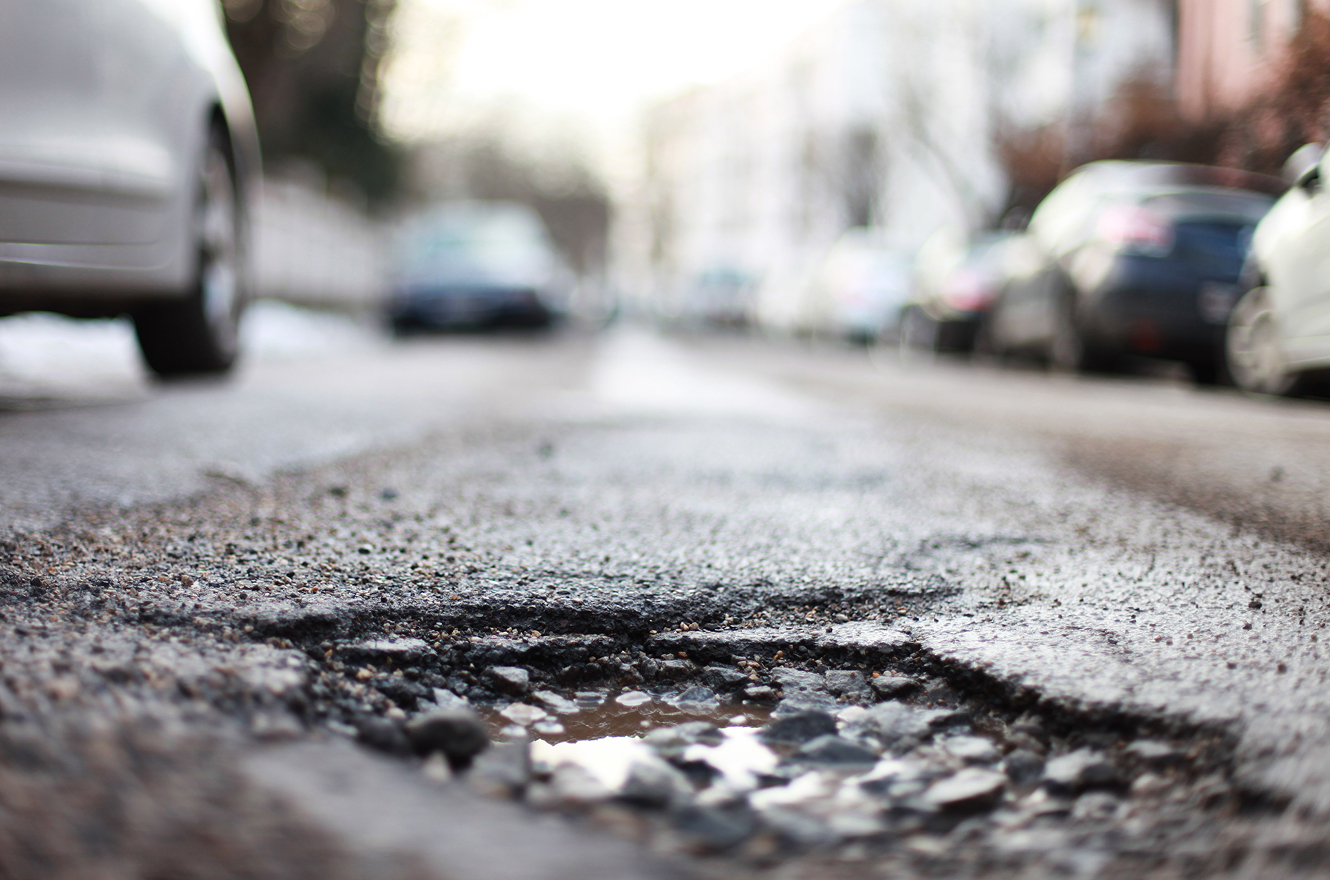
Most road teams know the feeling: a complaint arrives, a pothole is confirmed, a crew is dispatched, and the day reorganises itself around the latest urgent defect. The patch matters. But when every decision begins with a visible failure, the network is already setting the agenda.
The move to proactive maintenance is not one giant technology project. It is a sequence of practical steps: record consistently, compare condition over time, define what deserves attention, and notify the right person before a manageable issue becomes an urgent repair. Pluto’s advanced email alerts are designed for that final step. The system watches; your team decides.
This is not a ranking of good and bad departments. Every authority still needs Level 1: urgent potholes must be made safe. Maturity means adding the next levels so emergencies no longer consume the entire operating model.
Reactive work is unavoidable. Storms, utility cuts, freeze-thaw cycles, heavy vehicles, and sudden damage will always create urgent jobs. The problem begins when reactive work becomes the only reliable source of truth.
In firefighting mode, the loudest signal usually wins: the loudest new complaint, the most visible pothole, or the road someone happened to inspect. A local-agency asset-management guide describes this “worst first” approach as unsustainable when resources are limited and recommends a broader “mix of fixes” instead. The goal is not to stop patching potholes. It is to stop mistaking patches for a network strategy.
The first jump is consistent visibility. Pluto turns a smartphone on the windshield into an AI road inspector, automatically detecting damage and assets as vehicles travel the network. Pluto Map then gives office teams updated road images and a geographic view for prioritising, coordinating, and delegating work.
That changes the management question from “Where is today’s pothole?” to “Where are defects clustering, which routes carry the greatest risk, and what can we group into one efficient intervention?”
The value is already visible in practice. Aabenraa Municipality moved from updating one-third of its network each year to updating the full network several times a year, while using the data to assign recorded damage directly to employees. Visibility becomes operational when more than one person can act on it.
A current condition score tells you where a road is today. Repeated, structured observations tell you where it is heading.
Imagine one street losing roughly five condition points per year. That rate is an illustrative planning signal, not a universal deterioration rule. The important fact is the direction: if the decline continues, the street may cross from a candidate for surface dressing into costly rehabilitation. A proactive team can review that trajectory and schedule treatment while lower-cost options are still open.
You stop asking only, “What is broken?” You begin asking, “What is changing rapidly enough that we should review it now?”
A dashboard cannot help if nobody has time to keep watching it. Proactive maintenance becomes practical when the system highlights the important areas to the team.
With Pluto’s advanced email alerts, an authority can define the conditions that deserve review and route those notifications to the appropriate people. An alert might flag an urgent category, a worsening area, or a condition threshold that has been reached. Instead of searching the whole network for problems, the manager receives a focused prompt to review the evidence.
Then the human context begins. The alert cannot know that a utility company will open the street next month, that a school route needs work completed during a holiday, that a contractor is already mobilised nearby, or that a budget line is restricted to a particular asset class. Your team knows those things.
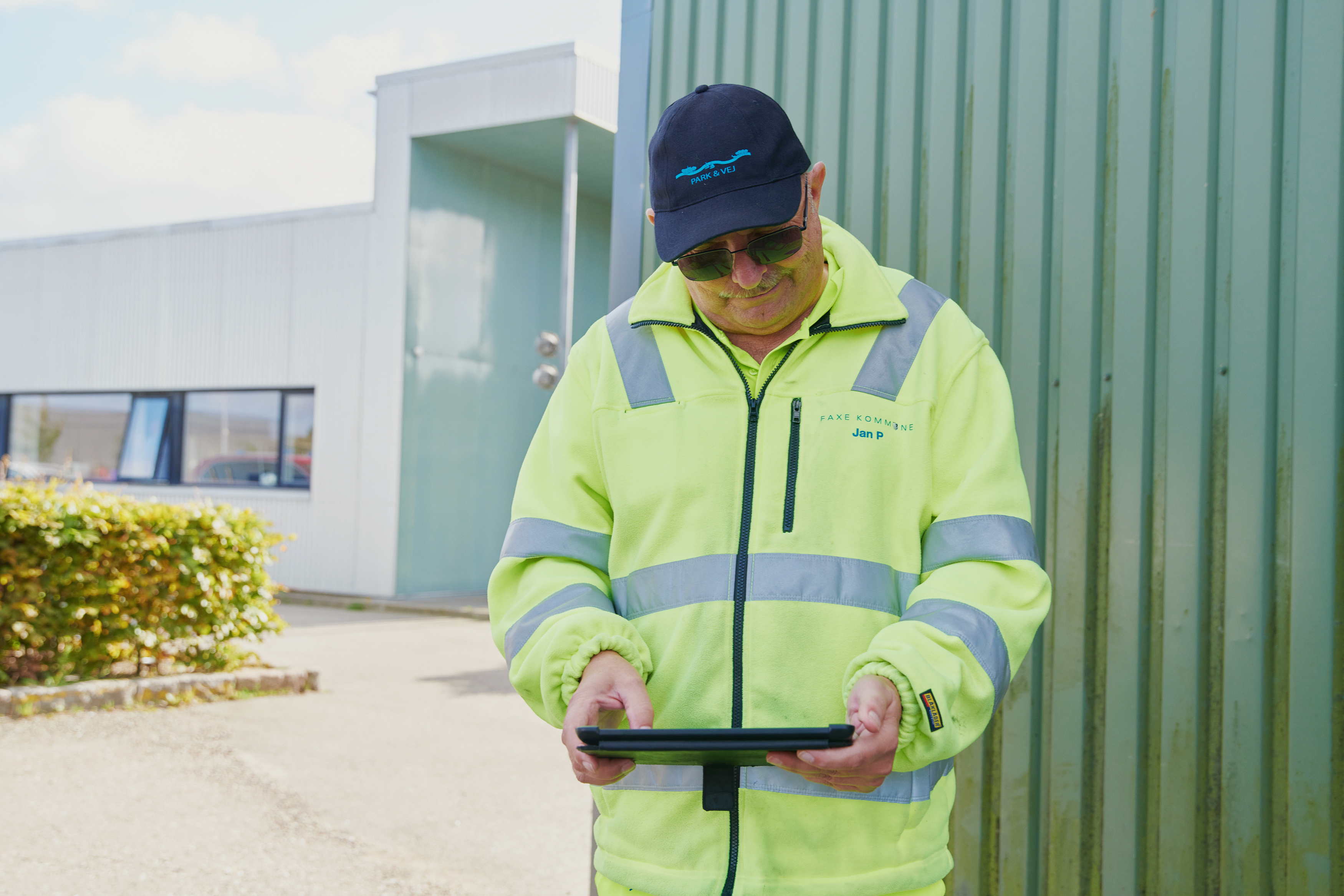
That is why the best model is AI recommends; people coordinate:
The system is a trusted advisor: persistent enough to notice change, disciplined enough to apply the same rules every time, and humble enough to leave the final decision with the people accountable for the road.
The organisational benefit is bigger than a faster notification. Alerts make responsibility explicit.
A safety lead can receive urgent hazard alerts. A pavement engineer can review network-level deterioration. An operations supervisor can receive items ready for delegation. A manager can track exceptions that may affect budget or service targets. The same condition data supports different decisions without forcing every decision through one overloaded person.
Pluto’s existing task-management workflow already supports prioritising, coordinating, and delegating from a shared map; Pluto Work gives field teams a mobile task list and lets them complete work from the road. Alerts add the trigger that helps work reach the right owner at the right moment.
That is how a tool becomes departmental capability: not by replacing judgement, but by distributing timely evidence to the people expected to use it.
Do not begin by automating everything. Pick one high-value review point:
Define who receives the alert, what evidence they review, what actions are available, and when the issue should be escalated. Run that loop until it becomes an effective routine. Then add the next alert.
Proactive maturity is not the number of dashboards you own. It is the number of important decisions your organisation can consistently make in a timely manner, and with clear ownership.
You do not move from reactive to proactive by abandoning pothole repairs. You move by adding visibility, history, thresholds, and ownership around them—so more work happens before failure, not after it. The road network still changes. The difference is that it no longer has to surprise you.